-
 The company says it received necessary permission to make rain with drones, but local officials are pushing for more transparency.
 -
 Berga will serve until the next election, in which he is also the only candidate running for the seat.
 -
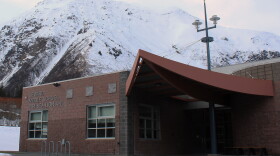 Seward Middle School was one of four schools Kenai Peninsula school board members voted to close earlier this year to save money.
 -
 The meeting was a chance for residents to weigh in on a petition to create a recreation service area. The community center board says the facility needs more financial support to stay open.
 -
 Hibbert was sworn in during the assembly’s regular meeting and will serve until the next borough election in November.
 -
 Among the applicants are a former assembly member, a former Oklahoma mayor and a speech-language pathologist with the Kenai Peninsula Borough School District.
 -
 An ordinance going before the assembly Tuesday would ask voters whether to cap school board terms at two consecutive full terms – the same limit put on assembly members and the borough mayor.
 -
 In many ways, the new station is an upgrade. Firefighters have their own rooms. A dedicated gym means crews no longer work out in the vehicle bay. And a multi-purpose conference room is big enough to accommodate every employee at once.
 -
 Hicks has represented the assembly’s District 7 since October 2025. In a resignation letter, he said he is moving out of state next week and will not attend any future assembly meetings.
 -
 Petitioners cited private property rights and safety issues from lack of infrastructure. But others say privatizing the road would shutter a longstanding community fishing spot and limit already-sparse river access.

© 2026 KDLL
Public Radio for the Central Kenai Peninsula
Play Live Radio
Next Up:
0:00
0:00
Available On Air Stations


