-
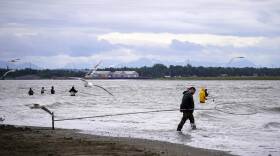 State fishery officials say they're not sure why Kenai River sockeye runs are so low this season.
 -
 The department says it already has good data from prior experimental beach seines, and that issuing new permits won’t fill remaining data gaps, like how many king salmon die after being released back into Cook Inlet.
 -
 The changes do not impact the basic management plan for Cook Inlet’s east side setnet fishery and came over the objections of local fishermen.
 -
 Department data show that, of the 20,981 fish caught through experimental beach seines in 2024, 98% were sockeye. All 16 king salmon caught were released into Cook Inlet.
 -
The new rules significantly restrict the fleet’s fishing grounds.
-
 Under a new restriction this year, any Kasilof angler who catches a hatchery king may not fish for the rest of that day — for any fish species — on the Kasilof River between the Sterling Highway bridge and the river mouth.
 -
 The initiative aims to raise awareness about declining king salmon runs within the Kenai watershed.
 -
 When they pitched the new equipment as a potential fishery gear type to the state board of fisheries back in January, members said they wanted more data.
 -
 Three board members advanced a significant rewrite of the proposal that would have striked setnets entirely from the list of fishing gear allowed in Cook Inlet, regardless of king runs.
 -
 Most of that is coming from the east side setnet fishery’s 2018 season and the 2020 Upper Cook Inlet salmon fishery season.

© 2026 KDLL
Public Radio for the Central Kenai Peninsula
Play Live Radio
Next Up:
0:00
0:00
Available On Air Stations


