-
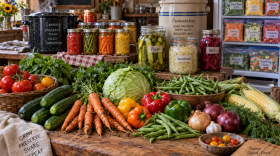 Most gardeners work too hard to let their harvests go to waste. Today, we'll discuss the many different ways to preserve your harvest to enjoy in our chilly zone 4 winters.
 -
 Flowers are beautiful and we love to look at them, smell, them, and see vegetables grow as a result of those flowers. But have you ever wondered how photosynthesis works to make those flowers and vegetables. We'll dive deep into how photosynthesis works from the power of the sun.
 -
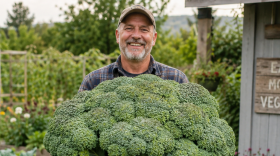 The garden season is actually winding down for central peninsula gardens. Today's show discusses where your garden should be now on Aug 1 and what you are harvesting, continuing to plant, pests, and weeds you might be fighting.
 -
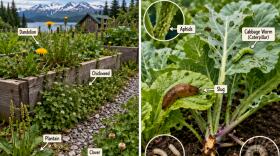 With gardens growing strong, we need to be sure outside forces like weeds & bugs don't destroy our gardens and affect harvests. There's a way to fight this war and gardeners must be diligent in their efforts.
 -
 It's time to get your garden tools cleaned up and ready for the season. Be sure your hand tools are disinfected to prevent any spread of disease through your plants. See if your beds can be worked or if they're still to cold and muddy. Gardening success is measured by how well your preparations are. Good Growing.
 -
 With the usual snows and cold weather we get on the central Kenai Peninsula, it's imperative we prepare our gardening beds the best we can to enhance and prepare the soil for a successful planting season.
 -
 Determine what your seeds need to enhance successful germination and then how to take care of those seedlings to ensure the most optimum viability for a prosperous garden.
 -
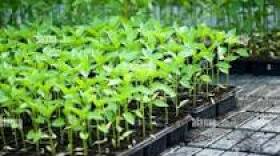 Tips on starting your seeds for transplanting or direct sowing and how to care for the seedlings until ready to transplant.
 -
 The start of season 5 with a look back at the Northwest Flower & Garden Show held in Seattle from Feb 18-22, 2026
 -
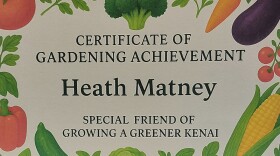 Larry and Casey talk about what worked for your garden in 2025 and what to do for preparing for a successful garden season in 2026

© 2026 KDLL
Public Radio for the Central Kenai Peninsula
Play Live Radio
Next Up:
0:00
0:00
Available On Air Stations


